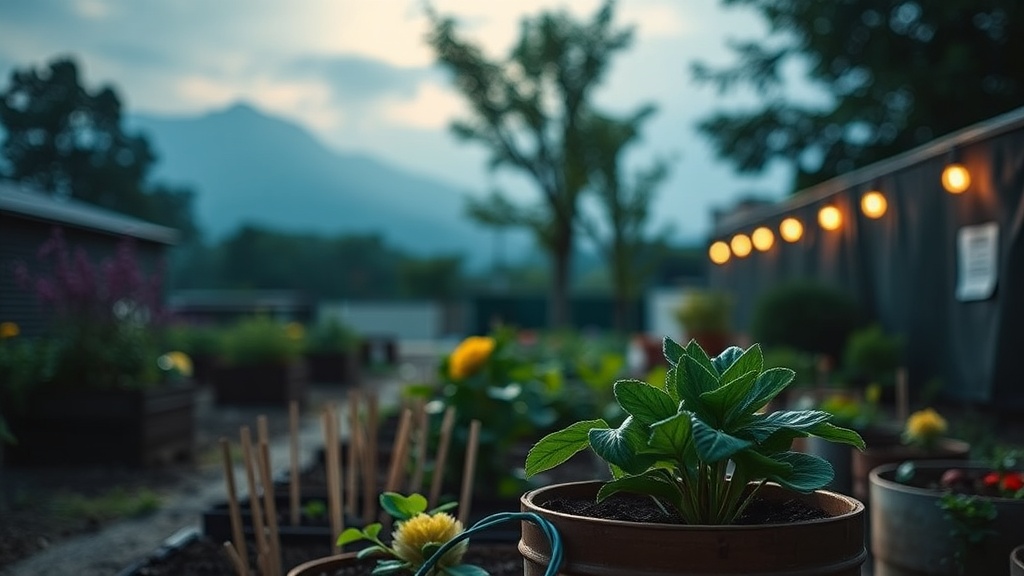
How to Get Involved in Carignan's Community Gardens and Green Spaces

Carignan dedicates nearly 12% of its municipal land to parks and green initiatives—more than double the provincial average for towns our size. Yet here's what surprises most residents: less than 8% of eligible households participate in the city's community garden program. That's a missed opportunity—not just for fresh tomatoes and herbs, but for building the kind of neighbourhood connections that make Carignan feel like home.
This guide covers how to join our community gardens, where to find underused green spaces, and practical ways to contribute to the ecological stewardship of our city. Whether you're new to the Bassin area or you've lived on Rue Principale for decades, there's room for you in Carignan's growing network of citizen-gardeners and green-space advocates.
Where Are Carignan's Community Gardens Located?
Carignan operates three official community garden sites, each managed slightly differently. The largest—and most established—is located near Parc des Patriotes, behind the municipal library. This site features 48 individual plots, a shared composting station, and a tool shed stocked with basic equipment (shovels, hoes, watering cans) that registered gardeners can borrow. The soil here has been amended annually for over fifteen years, so even beginners can expect decent yields.
The second site, smaller but no less vibrant, sits near the intersection of Boulevard Robert and Chemin de la Grande-Ligne. This garden emerged from a partnership between the city and the Association des jardiniers de Carignan, a volunteer group that's been active since 2017. What makes this location special is its focus on heritage vegetables—tomatoes, beans, and squash varieties that were historically grown in our region. The association maintains a seed library on-site, allowing gardeners to save and exchange seeds adapted to our specific growing conditions.
The newest addition opened in 2023 near École Secondaire de Carignan. This site targets families and educators, with larger shared beds designed for collaborative planting rather than individual plots. School groups use it during the academic year, but summer access rotates between registered families. It's an experiment in communal gardening—and so far, the waitlist suggests Carignan residents are hungry for more shared growing spaces.
Registration for all three sites opens each March through the city's official website. Fees are modest—$35 per season for a standard plot, with discounts for seniors and students. Demand often exceeds supply, especially for the Parc des Patriotes location, so early registration matters.
What Can You Grow in Carignan's Climate?
Carignan sits in USDA hardiness zone 5a, which means our growing season runs roughly from mid-May through early October. That window limits some crops—don't expect artichokes or citrus—but it's generous enough for most vegetables Quebec families actually eat. The key is matching varieties to our specific conditions.
Tomatoes thrive here, but timing matters. Start seeds indoors by late March, or purchase seedlings from local sources like Les Serres Lefebvre on Route 112. (Yes, same family name—no relation to your author, though I've bought their plants for years.) Their Brandywine and Black Krim varieties consistently outperform anything shipped in from Ontario. Transplant after the last frost date—typically around Victoria Day weekend—and you'll harvest well into September.
Root vegetables do particularly well in Carignan's clay-loam soil, provided you amend with compost. Carrots, beets, and potatoes require minimal fuss and store beautifully through winter. Greens—kale, Swiss chard, spinach—can be succession-planted every three weeks for continuous harvests. And don't overlook garlic: plant cloves in October, harvest the following July, and you'll never buy supermarket garlic again.
The community garden association publishes an annual planting calendar specific to our region, available at the library and online. Following local guidance beats generic gardening advice every time—our last frost dates differ from Montreal's by nearly a week, and that week matters.
How Do You Start If There's No Plot Available?
Waitlists for Carignan's official gardens can stretch into months. That doesn't mean you're stuck watching from the sidelines. Several alternatives exist for motivated residents—and some might suit you better than a standard plot.
First, consider the Adopt-a-Planter program. The city maintains dozens of large decorative planters along Rue Principale and near the municipal complex. Each spring, the parks department invites residents to "adopt" these planters, supplying soil and a small stipend for plants in exchange for seasonal care. It's low-commitment—watering twice weekly, deadheading, basic tidying—but it puts your hands in soil and adds visible beauty to our shared spaces. Applications open in April through the city's environmental services department.
Second, explore guerrilla gardening—within legal bounds. Several pockets of municipal land along the Parc linéaire des Patriotes remain undeveloped and unofficially available for small-scale cultivation. The unwritten rule: keep it tidy, stick to ornamental or food crops (no invasive species), and don't obstruct pathways. longtime residents have maintained herb spirals and pollinator patches along this corridor for years without issue. It's not sanctioned, exactly, but it's tolerated—and it builds the kind of informal community that official programs sometimes lack.
Third, connect with existing gardeners. Many plot-holders at Parc des Patriotes manage larger spaces than they need and welcome assistance in exchange for shared harvests. Post a note on the community board at Dépanneur Carignan on Boulevard Marie-Victorin, or join the Facebook group "Jardiniers de Carignan" to find these informal arrangements. Some of the best gardening mentorship in our city happens through these neighbour-to-neighbour connections.
What About Watering, Tools, and Ongoing Maintenance?
Practical concerns stop many would-be gardeners before they start. Let's address the logistics—because Carignan's community garden infrastructure makes this easier than you might expect.
Water access varies by site. Parc des Patriotes offers hose bibs at each plot, included in your registration fee. The Boulevard Robert location relies on a central rainwater harvesting system—large cisterns filled from roof runoff—so gardeners fill watering cans rather than connecting hoses. It sounds inconvenient, but the water is free, untreated, and better for plants than chlorinated tap water. The École Secondaire site has timed irrigation for shared beds, though individual volunteers still handle hand-watering during hot spells.
Tool sharing works through an honor system. Each garden has a locked shed; registered members receive combinations at orientation. Basic equipment is supplied, though serious gardeners often acquire their own gloves, hand tools, and harvest baskets. The association accepts donations of functional used tools—drop them at the library during business hours.
Pest management follows organic principles. Carignan prohibits synthetic pesticides and herbicides in community gardens (and honestly, why would you want them near food you're eating?). The association runs workshops each June on companion planting, row covers, and organic pest control specific to our region's challenges—Colorado potato beetles, cabbage worms, and the occasional raccoon raid. These workshops are free, practical, and worth attending even if you're gardening at home.
End-of-season cleanup is mandatory. Plots must be cleared by October 31st, with all plant debris composted on-site or removed. The city tills each plot in November, incorporating organic matter and preparing for spring. Skip cleanup, and you risk losing your spot the following year—this rule is enforced, because neglected plots become weed seed banks that plague neighbouring gardeners.
How Can You Connect With Other Carignan Gardeners?
The vegetables matter, but the community matters more. Carignan's gardening scene has evolved into something social—seasonal potlucks, seed swaps, and informal knowledge sharing that strengthens neighbourhood bonds.
The Fête des récoltes, held each September at Parc des Patriotes, brings together gardeners, their families, and curious residents for an afternoon of tasting, trading, and celebrating. It's not a competition—no prize for biggest zucchini—just a recognition that growing food together builds something worth acknowledging. The city provides cider and bread; attendees bring dishes featuring their garden produce. The 2024 event drew over 200 people, suggesting this tradition has staying power.
Monthly gatherings at Café du Village on Rue Principale offer smaller-scale connection. The "Gardener's Breakfast" happens first Saturday each month, March through November. It's informal—no agenda, no membership requirements—just coffee and conversation with people who won't judge you for discussing soil pH at 8 AM. Regulars include everyone from apartment-dwellers with balcony tomatoes to retirees managing quarter-acre plots.
Online, the Association des jardiniers de Carignan maintains an active presence. Their email newsletter announces workshops, alerts gardeners to pest outbreaks (spotted lanternfly was detected in our region in 2023—monitoring matters), and coordinates volunteer opportunities. The city also publishes seasonal gardening tips through their news portal, blending practical advice with updates on park maintenance and green infrastructure projects.
For those interested in expanding beyond vegetables, the Société d'horticulture de Carignan focuses on ornamental gardening and native plant restoration. They maintain the pollinator gardens near the bibliothèque and organize annual plant sales featuring species suited to our local ecology. Membership runs $25 annually and includes access to their lending library of gardening books—many out of print, all focused on Quebec growing conditions.
Whether you secure a plot at Parc des Patriotes, adopt a downtown planter, or simply trade tomato seedlings with a neighbour, participating in Carignan's gardening culture means joining a network of people who care about this place—its soil, its appearance, its community life. That's worth more than any harvest.