Picking the Perfect Seasonal Produce at Local Farmers Markets

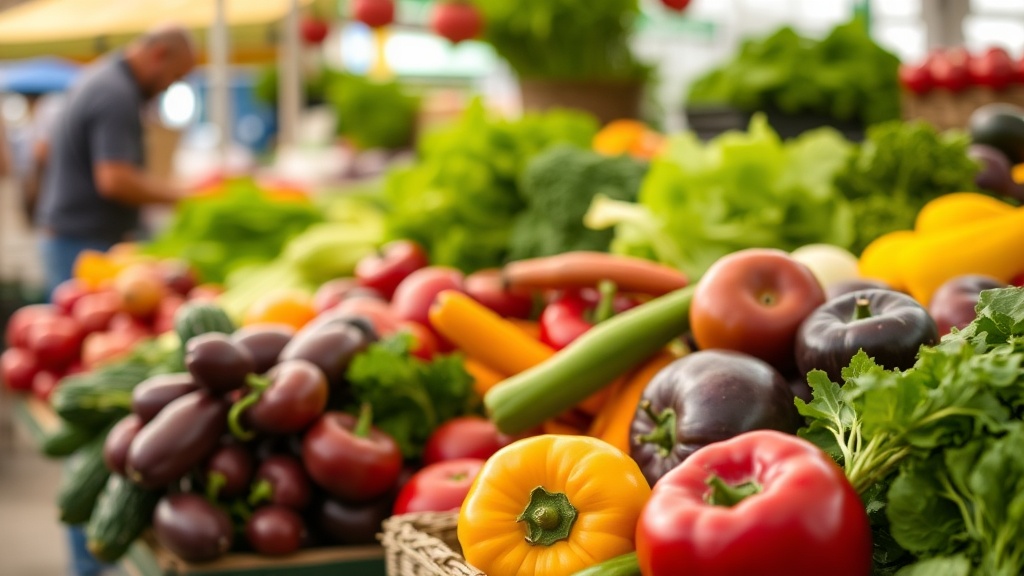
The heavy scent of damp earth and sun-warmed basil fills the air as you walk between wooden stalls near the center of town. A vendor in a denim apron holds up a crate of heirloom tomatoes, their skins taut and glowing with deep reds and purples. This is the peak of the Quebec growing season, and knowing how to select the best produce here makes a massive difference in your kitchen. This guide explains exactly how to identify the freshest, most flavorful seasonal vegetables and fruits at our local markets.
Eating seasonally in Quebec isn't just a trend; it's about getting the most nutrition and flavor out of what our soil provides. When you buy from a farmer in the Montérégie region, you aren't just getting food—you're getting produce that was likely in the ground only hours ago. But how do you actually know if that zucchini is actually good or if those strawberries are past their prime? It takes more than just a quick glance.
How Can You Tell if Fruits are Ripe?
You determine fruit ripeness through a combination of scent, weight, and tactile feedback. For example, a peach should feel slightly soft to a gentle squeeze, but if it's mushy, it's already gone too far. If you're looking at berries, avoid anything with visible mold or weeping juices. A perfect strawberry should be deep red all the way to the top, not white near the stem.
Melons are a bit trickier. If you're hunting for a cantaloupe, look for a dull skin rather than a shiny one—shiny often means it hasn't developed its full sugars yet. A heavy melon is a good sign; it means the fruit is dense and full of juice. If it feels light or hollow, skip it.
Citrus can be hit or miss depending on the time of year, but even in our local markets, you'll find high-quality seasonal imports. For the most reliable way to check for quality, many professional chefs recommend checking the weight-to-size ratio. A heavy fruit is almost always a juicy fruit. It's a simple trick that works every single time.
Here is a quick cheat sheet for common seasonal items:
- Strawberries: Deep red color, firm texture, and a sweet, floral scent.
- Stone Fruits (Peaches/Plums): Slight give when pressed, fragrant skin.
- Corn: Silk that is dark and slightly damp, not dry or brittle.
- Tomatoes: Heavy for their size, no soft spots, and a deep, consistent color.
What Should You Look for in Green Vegetables?
Look for vibrant, uniform colors and a lack of wilting or yellowing. For leafy greens like kale or Swiss chard, the leaves should be crisp and snap easily if you bend them. If they feel limp or "rubbery," they've likely been sitting out too long or haven't been hydrated properly.
When it comes to brassicas—think broccoli or cauliflower—the structure is everything. The florets should be tight and compact. If you see large gaps or brownish discoloration between the buds, the vegetable is starting to go to seed. This means it will taste bitter and woody. It's a common mistake to buy "pretty" cauliflower that is actually quite old inside.
Root vegetables are the backbone of a Quebec summer and autumn harvest. Carrots, radishes, and beets should have a firm, hard texture. If a carrot feels bendy or soft, it's lost its moisture. You can check the quality of a beet by looking at the greens; if the leaves are still attached and look fresh, the root itself is likely still high in quality. If the leaves are yellow and slimy, the beet is likely old.
It's worth noting that even "ugly" produce is often the best tasting. A crooked cucumber might look odd, but it's often much more flavorful than the perfectly straight ones found in big-box grocery stores. Don't let a weird shape scare you away from a great deal.
How Much Does Local Produce Cost?
The cost of local produce varies based on the specific item, the time of year, and the current demand. Generally, you will find that seasonal items at their peak are more affordable than out-of-season items imported from overseas. While a head of organic kale might cost a few dollars more than the non-organic version at a supermarket, the flavor difference is often worth the extra cents.
To keep an eye on food trends and pricing, you can often look at Agri-food statistics in Quebec to see how production cycles affect the market. Most farmers' markets have a set price per pound or per basket, but it's always a good idea to ask the vendor if they offer bulk discounts for larger quantities.
| Produce Type | Best Way to Check Quality | Typical Seasonal Window |
|---|---|---|
| Stone Fruits | Slight softness, fragrant | July - August |
| Root Veggies | Firmness and bright color | June - October |
| Summer Berries | Uniform color, no mold | June - August |
| Nightshades | Heavy, no soft spots | July - September |
If you're shopping on a budget, stick to the "staple" vegetables. Items like potatoes, onions, and cabbage are often much cheaper and much more durable. You can even learn more about the nutritional density of these crops via Wikipedia's research on food science to ensure you're getting the most bang for your buck.
One tip for saving money: go to the market towards the end of the day. Often, vendors would rather sell a basket of slightly bruised berries for half price than pack them up and take them home. It's a great way to get high-quality ingredients for much less—just be sure to use them immediately!
How Do You Store Fresh Market Finds?
Storage depends entirely on the sensitivity of the item to temperature and moisture. Most leafy greens and berries should go straight into the refrigerator to maintain their structure. However, certain items like tomatoes and stone fruits actually prefer to sit on your kitchen counter until they reach peak ripeness. Putting a tomato in the fridge can actually destroy its texture and dull its flavor—a mistake I see way too often.
If you've just bought a massive haul of herbs, treat them like flowers. Trim the stems and place them in a small jar of water on the counter. This keeps them from wilting before you can get them into your recipes. For heavier items like squash or potatoes, a cool, dark pantry is your best friend. Keeping them in the light will cause them to sprout or turn bitter.
I often tell my friends that the way you bring your food home is just as important as how you pick it. If you're walking around the market in the heat, keep your perishables in a cooler bag. It's a small step that preserves the integrity of your purchase from the stall to your kitchen counter.
If you enjoy discovering the unique flavors of our region, you might also enjoy finding the best local microbreweries to pair with your seasonal meals. There is something special about matching a local craft beer with a locally grown meal.
Don't be afraid to ask the farmers questions. Most of them are incredibly passionate about their crops and love explaining the difference between two varieties of heirloom tomatoes. A quick question like "Which one is sweeter?" or "How should I cook this?" can turn a simple grocery run into a real learning experience. They are the true experts, and their knowledge is free.
Steps
- 1
Arrive Early for the Best Selection
- 2
Check for Seasonal Color and Texture
- 3
Ask Producers About Growing Methods
- 4
Bring Your Own Reusable Bags